
Who Is Responsible When AI Makes a Mistake? Not the Chat Window
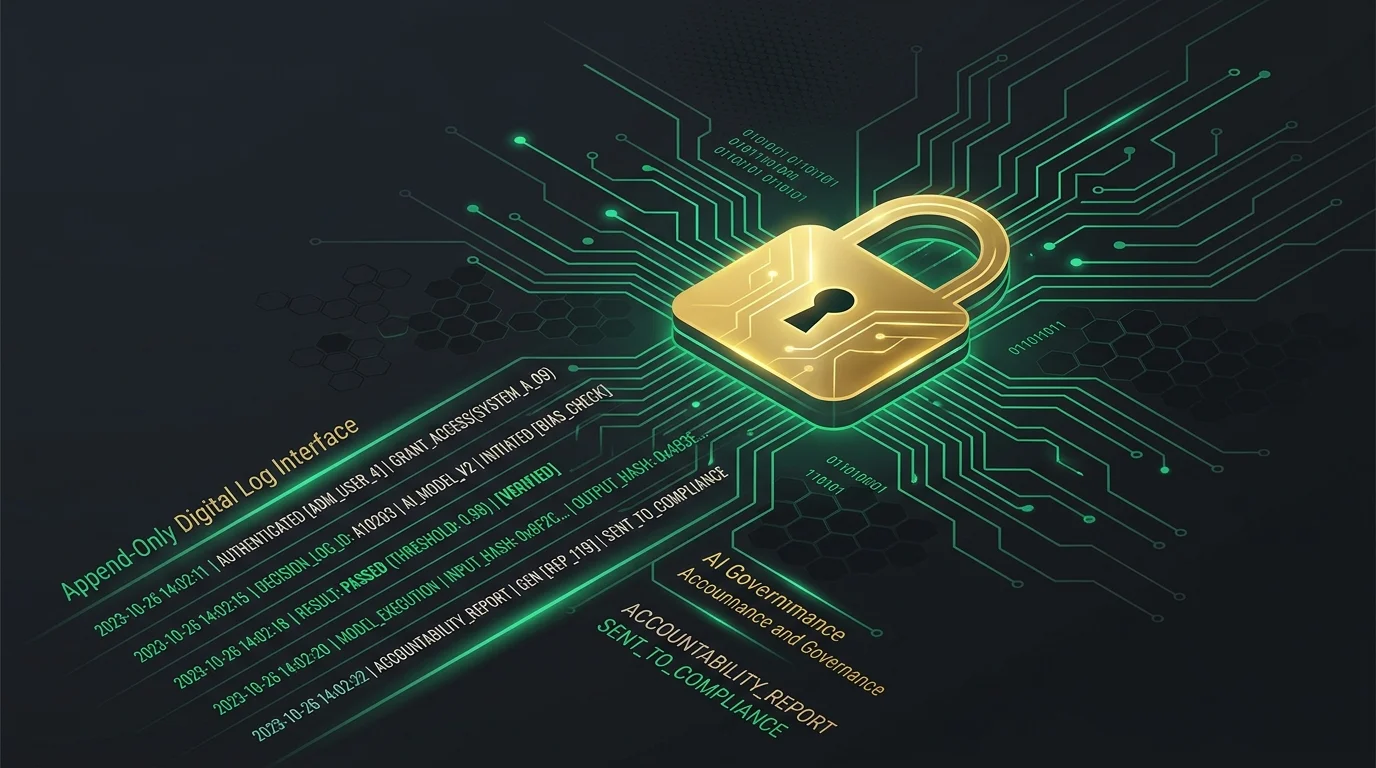
Who is responsible when AI makes a mistake is the question people ask after something already went wrong. A wrong refund. A message that should not have sent. A record that changed while nobody was watching.
This is not a courtroom essay. It is for the person who gets the Slack ping at 9 p.m. The person who has to call a customer. The person who did not write the model, but still has to live with it.
Allowix is the product name (published by Solvefy). We do not call the product “Agentic AI” in this post. We do not invent customers, prices, or scores. Where a number is not approved, we describe the rule instead.
You will learn:
- What who is responsible when AI makes a mistake means in everyday words
- Why AI agents at work make the question sharper than a simple chatbot
- How one gate (permission, policy, approval, audit) answers it before the incident
- FAQ without legal jargon
A plain answer
Who is responsible when AI makes a mistake? In 2026 legal explainers, the model is not a person. It cannot be sued. The UK Jurisdiction Taskforce’s line is the one we keep: responsibility sits with the humans and companies around the tool.
That matches how it feels at work. When AI goes wrong, nobody wants to hear “the bot did it.” They want a name.
So the practical answer is: the company that turned it on, the team that set what it could do, and the person who was supposed to check the risky step. If those names were never written down, you will invent them during the incident. That is a bad time to invent.
Chatbot vs agent (still in human words)
A chatbot that only answers a policy question is like a very fast intern who talks. AI mistakes there still hurt, but they are often words.
An agent that can create a record, send money-adjacent instructions, or change a status is like giving that intern your badge. AI agents at work act. Acting needs a stop button.
If your demo says “it just works,” you have not answered AI accountability. You have postponed it.
The 9 p.m. test
Ask one question in the design meeting, out loud:
If this action is wrong, who gets the call tonight?
If the room laughs, you do not have a design. You have a hope.
When AI goes wrong, people do not want a PDF policy. They want to know:
- Could this user have done this click anyway?
- Did a person need to sign?
- Can we see what was sent in?
That is who is responsible when AI makes a mistake translated into a Tuesday.
One gate, four checks (no architecture theater)
Allowix’s rule is a single gate. An action does not run unless all four pass:
- Permission: does this person’s role allow this on this record?
- Policy: does this company allow this kind of tool here?
- Approval: does this class of action need a human yes?
- Audit: are the inputs, outputs, and actor written down?
If any layer fails, the action does not run. There is no production “demo mode” that skips the log. That is how we talk about AI accountability without inventing a case study.
Card types: The product model has exactly 12 interaction cards. That keeps the screens predictable, which keeps permission mapping boring. Boring is good when AI mistakes would otherwise be creative.
Models: Allowix is OpenAI only in current product scope. Do not read other brand names into this post.
Shared blame is not “nobody’s blame”
Counsel write-ups in 2026 say developers, the company that turned the tool on, and the person who used it can all share a slice. That is comforting in a memo. It is useless at 9 p.m. unless you already wrote which slice is whose.
Write it like a fire drill:
- Who can turn this class of action off
- Who reads the log
- Who calls the customer
- Who tells leadership
If those four names are the same overworked person, you do not have AI accountability. You have a hero. Heroes go on holiday.
AI agents at work that skip this become shadow IT with a friendly chat UI. The coordinator still gets the ping. The model does not.
A second story, still without fake customers: someone asks the agent to “just this once” skip the wait because a demo is in ten minutes. If the product allows a bypass flag in production, you taught the team that when AI goes wrong, the log will be empty. Empty logs make AI mistakes into arguments. Full logs make them into fixes.
What we do not claim
- Specific ROI percentages (which require validation for each customer scenario)
- Pricing details (as confirmed pricing is not yet published)
- Invented certificates or unnamed “Fortune 500” wins
August 2026 news about courts and AI agents is moving fast. We are not your lawyer. We are saying the product rule: name the human path before the agent can write.
A story without fake customers
Imagine a coordinator who can already approve a change in the old system. An agent offers to do it faster. If the agent uses a shared admin account, you broke the story. If the agent uses that coordinator’s rights, waits when the action is scary, and leaves a log, you kept the story.
That is who is responsible when AI makes a mistake before the mistake. After the mistake, you will still need a grown-up. The log tells them where to look.
Frequently Asked Questions
Who is responsible when AI makes a mistake, the vendor or us?
Both can share blame depending on design, testing, and how you turned it on. Who is responsible when AI makes a mistake in your office should be written before go-live: named role, named approval, named log owner.
Can we say “the AI decided”?
You can say it. Customers will not accept it. AI mistakes still land on a person with a phone.
Are AI agents at work the same as a help chatbot?
No. Chat answers. Agents act. Acting needs the gate.
Can we skip approval for a demo?
Not in production. A demo that skips the log trains the team to ship the hole later.
Conclusion
Who is responsible when AI makes a mistake is not a riddle for the chat window. It is a named person, a permission, a yes when the action is hard to undo, and a log. That is the Allowix bar: AI agents at work that cannot hide behind “the model.”
If you are comparing tools, ask them to draw the gate. If they cannot, you will own the 9 p.m. call anyway. Write the four names this week, even if the agent is still a pilot. Pilots that skip names become production holes. Write them on a sticky note if you must. The sticky note beats a 40-page policy nobody opens.
Sources: OneAdvanced, Who is responsible for AI mistakes accessed 2026-08-18; Axios, AI liability and agents, 13 Aug 2026 accessed 2026-08-18; CoSAI, Who’s responsible when AI goes wrong accessed 2026-08-18.
See governed agents in your own product.
Book a demo and we'll walk your team through the governance model, the two-seam integration, and a use case for your industry.